
What is Freight Brokerage?
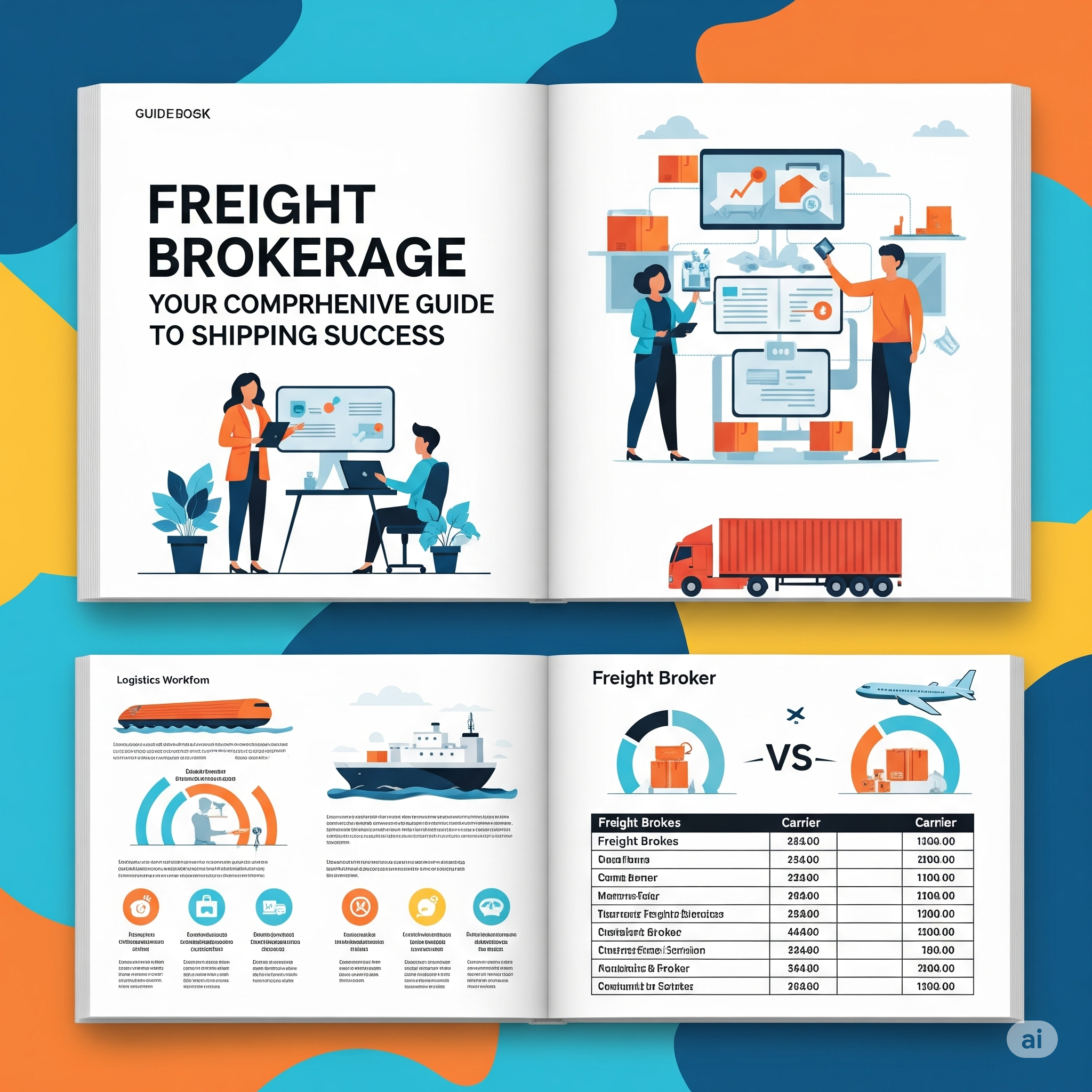
Freight brokerage acts as a vital intermediary between shippers (businesses that need to transport goods) and carriers (trucking companies or other transportation providers). A freight broker doesn’t own any trucks or other transportation equipment. Instead, they leverage their industry knowledge, network of carriers, and logistical expertise to find the best and most cost-effective transportation solutions for their clients.
Think of a freight broker as a matchmaker, connecting shippers with reliable carriers that meet their specific requirements. They handle the complexities of the shipping process, allowing businesses to focus on their core operations.
The Role of a Freight Broker: A Detailed Look
The role of a freight broker extends far beyond simply finding a truck. They provide a range of services, including:
- Sourcing Carriers: Identifying and vetting qualified carriers based on factors like equipment availability, safety records, insurance coverage, and geographic reach.
- Negotiating Rates: Leveraging their market knowledge and relationships with carriers to negotiate competitive freight rates.
- Load Planning and Optimization: Determining the most efficient routes and transportation methods to minimize costs and transit times.
- Tracking and Tracing: Monitoring the shipment’s progress and providing real-time updates to the shipper.
- Handling Paperwork: Managing all necessary documentation, including bills of lading, invoices, and proof of delivery.
- Resolving Issues: Addressing any problems that may arise during transit, such as delays, damages, or discrepancies.
- Freight Auditing: Ensuring that invoices are accurate and that shippers are only paying for the services they received.
- Providing Market Insights: Offering valuable information about current market trends, capacity constraints, and potential cost-saving opportunities.
Benefits of Using a Freight Broker
Partnering with a freight broker offers numerous advantages for businesses of all sizes. Here are some key benefits:
- Cost Savings: Brokers can negotiate better rates than shippers could obtain on their own, thanks to their volume buying power and industry expertise.
- Time Savings: Outsourcing freight management frees up valuable time for shippers to focus on their core business activities.
- Access to a Wider Carrier Network: Brokers have established relationships with a vast network of carriers, providing shippers with more options and flexibility.
- Increased Efficiency: Brokers streamline the shipping process, optimizing routes and minimizing delays.
- Reduced Risk: Brokers ensure that carriers are properly vetted and insured, minimizing the risk of cargo loss or damage.
- Improved Customer Service: Brokers provide dedicated support and handle any issues that may arise during transit, improving customer satisfaction.
- Scalability: Brokers can easily scale their services to meet the changing needs of shippers, whether they’re experiencing rapid growth or seasonal fluctuations.
- Market Expertise: Brokers possess in-depth knowledge of the freight market and can provide valuable insights to help shippers make informed decisions.
Types of Freight Brokerage
While the core function remains the same, freight brokerage can be categorized in a few different ways:
- Traditional Freight Brokerage: This involves a broker working with a network of carriers they have personally vetted and built relationships with. They often have specialized knowledge in specific industries or geographic regions.
- Digital Freight Brokerage: Leveraging technology platforms and algorithms to match shippers with carriers. This often emphasizes speed and efficiency, using real-time data to optimize pricing and routing.
- Specialized Freight Brokerage: Focusing on specific types of freight, such as oversized loads, hazardous materials, or temperature-controlled goods. These brokers possess specialized expertise and equipment to handle these complex shipments.
How to Choose the Right Freight Broker
Selecting the right freight broker is crucial for ensuring a smooth and successful shipping experience. Here are some factors to consider:
- Experience and Expertise: Look for a broker with a proven track record of success and a deep understanding of the freight industry.
- Carrier Network: Ensure the broker has a robust network of reliable carriers that can meet your specific needs.
- Technology and Communication: Choose a broker that utilizes technology to streamline the shipping process and provides clear and timely communication.
- Customer Service: Select a broker that offers excellent customer service and is responsive to your needs.
- Pricing Transparency: Ensure the broker provides transparent pricing and clearly explains all fees and charges.
- Insurance and Licensing: Verify that the broker is properly licensed and insured to protect your cargo. You can check their licensing through the FMCSA (Federal Motor Carrier Safety Administration).
- References and Reviews: Check online reviews and ask for references from other shippers.
- Specialization: If you have specific shipping needs, such as temperature-controlled freight or oversized loads, choose a broker that specializes in that area.
Key Questions to Ask a Potential Freight Broker
Before partnering with a freight broker, it’s important to ask the right questions to ensure they’re a good fit for your business. Here are some key questions to consider:
- How long have you been in business?
- What types of freight do you specialize in?
- What is your carrier network like?
- What are your safety and compliance procedures?
- How do you handle claims and disputes?
- What are your pricing terms and conditions?
- What technology platforms do you use?
- Can you provide references from other clients?
The Future of Freight Brokerage
The freight brokerage industry is constantly evolving, driven by technological advancements and changing market dynamics. Digital freight brokerage is gaining traction, offering greater efficiency and transparency. Automation and artificial intelligence are also playing an increasingly important role, streamlining processes and improving decision-making. Sustainability is another key trend, with shippers and brokers alike seeking ways to reduce their environmental impact. The future of freight brokerage will likely involve a blend of traditional expertise and cutting-edge technology, enabling businesses to optimize their supply chains and achieve greater efficiency.
Understanding Freight Brokerage Fees
Freight brokers typically earn their revenue by charging a commission or a markup on the freight rate. This means they negotiate a rate with the carrier and then add a percentage or a fixed fee on top of that rate, which they then charge the shipper. The specific fee structure can vary depending on the broker, the type of freight, and the market conditions. It’s crucial to discuss pricing and fee structures upfront to avoid any surprises.
Transparency is key when it comes to freight brokerage fees. A reputable broker will clearly explain how their fees are calculated and will provide a detailed breakdown of all costs involved in the shipment.
Legal and Regulatory Considerations
Freight brokerage is a regulated industry. In the United States, freight brokers are required to be licensed by the FMCSA (Federal Motor Carrier Safety Administration) and must maintain a surety bond of $75,000. This bond provides financial protection for shippers in the event of fraud or non-payment by the broker. It’s essential to verify that a freight broker is properly licensed and bonded before entrusting them with your shipments.
Conclusion: Leveraging Freight Brokerage for Shipping Success
Freight brokerage plays a vital role in the modern supply chain, connecting shippers with reliable carriers and streamlining the transportation process. By understanding the benefits of using a freight broker and choosing the right partner for your needs, you can optimize your shipping operations, reduce costs, and improve customer satisfaction. As the freight industry continues to evolve, freight brokerage will remain a crucial component of efficient and effective logistics solutions.
Consider partnering with a freight broker to unlock the full potential of your supply chain. With their expertise and resources, you can navigate the complexities of the freight market and achieve your shipping goals.
[RelatedPostLink]
“`
Leave a Reply