
What is a USA Freight Brokerage?
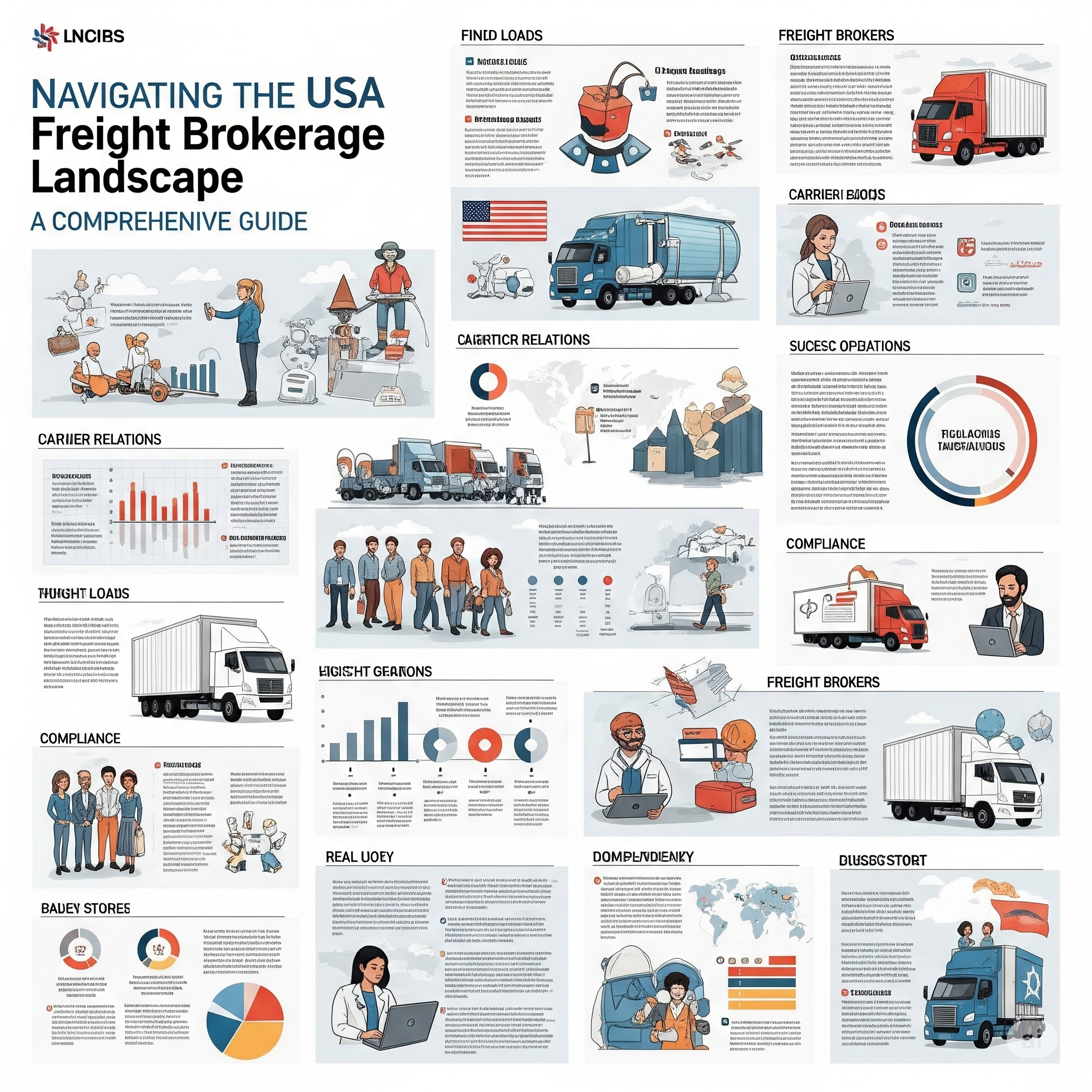
A USA freight brokerage acts as a liaison between shippers who need to transport goods and carriers who have the capacity to move those goods. They don’t own trucks or employ drivers; instead, they connect shippers with suitable carriers and negotiate rates on their behalf. Think of them as matchmakers for the logistics world, ensuring smooth and cost-effective transportation.
Here’s a breakdown of their key responsibilities:
- Finding Carriers: Identifying carriers with the right equipment, availability, and expertise to handle specific freight requirements.
- Negotiating Rates: Securing competitive rates for shippers while ensuring fair compensation for carriers.
- Managing Logistics: Coordinating pickup and delivery schedules, tracking shipments, and resolving any issues that may arise during transit.
- Handling Paperwork: Processing all necessary documentation, including bills of lading, contracts, and insurance certificates.
- Providing Customer Service: Offering support to both shippers and carriers throughout the transportation process.
- Ensuring Compliance: Adhering to all relevant regulations and safety standards.
Benefits of Using a USA Freight Brokerage
Engaging a freight brokerage offers numerous advantages for both shippers and carriers:
For Shippers:
- Access to a Wider Carrier Network: Brokers have established relationships with a vast network of carriers, providing shippers with more options and competitive pricing.
- Cost Savings: Brokers can leverage their industry knowledge and negotiation skills to secure lower freight rates.
- Time Efficiency: Outsourcing transportation management to a broker frees up shippers’ time to focus on their core business activities.
- Expertise and Knowledge: Brokers possess in-depth knowledge of the freight market, regulations, and best practices.
- Reduced Risk: Brokers ensure carriers are properly vetted and insured, mitigating potential risks associated with transportation.
- Scalability: Brokers can easily scale transportation capacity up or down based on shippers’ fluctuating needs.
For Carriers:
- Increased Load Volume: Brokers provide carriers with a consistent stream of loads, helping them maximize their utilization and revenue.
- Reduced Empty Miles: Brokers can help carriers find backhaul loads, minimizing empty miles and improving profitability.
- Simplified Paperwork: Brokers handle much of the administrative burden associated with finding and booking loads.
- Faster Payment: Many brokers offer quick pay options, allowing carriers to receive payment faster than they would directly from shippers.
- Access to New Markets: Brokers can connect carriers with shippers in new geographic areas, expanding their business opportunities.
Regulations Governing USA Freight Brokerages
The freight brokerage industry in the USA is regulated by the Federal Motor Carrier Safety Administration (FMCSA). Key regulations include:
- Licensing: Freight brokerages must obtain a license from the FMCSA to operate legally. This requires meeting specific requirements, including financial responsibility and insurance coverage.
- Bonding: Brokers are required to maintain a surety bond of $75,000, which protects shippers and carriers in case of financial default or misconduct.
- Record Keeping: Brokers must maintain accurate records of all transactions, including contracts, invoices, and payment information.
- Liability Insurance: While not directly required for brokers, they often carry contingent cargo liability insurance to protect against losses related to cargo damage or theft.
- Compliance with Safety Regulations: Brokers must ensure that the carriers they work with comply with all relevant safety regulations, including driver hours of service and vehicle maintenance.
It’s crucial for shippers and carriers to verify that a freight brokerage is properly licensed and bonded before engaging their services. This can be done by checking the FMCSA’s Licensing and Insurance (L&I) system.
Choosing the Right USA Freight Brokerage
Selecting the right freight brokerage is critical for ensuring a successful transportation experience. Consider the following factors when making your decision:
- Experience and Reputation: Look for a brokerage with a proven track record and positive reviews from other shippers and carriers.
- Industry Specialization: Some brokerages specialize in specific industries or types of freight. Choose one that has expertise in your specific needs.
- Carrier Network: Evaluate the size and quality of the brokerage’s carrier network. A larger network provides more options and competitive pricing.
- Technology and Communication: Look for a brokerage that utilizes technology to streamline processes and provides clear and timely communication.
- Customer Service: Choose a brokerage that is responsive, attentive, and committed to providing excellent customer service.
- Pricing Transparency: Ensure the brokerage provides clear and transparent pricing, with no hidden fees or surprises.
- Financial Stability: Verify the brokerage’s financial stability to ensure they can meet their obligations to shippers and carriers.
Challenges Facing the USA Freight Brokerage Industry
The freight brokerage industry faces several challenges, including:
- Market Volatility: Fluctuations in fuel prices, capacity, and demand can create volatility in the freight market, making it challenging to predict rates and manage logistics.
- Increased Competition: The industry is highly competitive, with numerous brokerages vying for business.
- Technological Disruption: New technologies, such as digital freight platforms and automation, are disrupting traditional brokerage models.
- Driver Shortage: The ongoing driver shortage is impacting capacity and driving up freight rates.
- Regulatory Compliance: Staying up-to-date with ever-changing regulations can be challenging for brokerages.
- Fraud and Double Brokering: Instances of fraud, including double brokering (where an unlicensed entity re-brokers a load), pose a risk to the industry.
Future Trends in USA Freight Brokerage
The freight brokerage industry is constantly evolving. Key trends shaping its future include:
- Digitalization: Increased adoption of digital freight platforms and automation will streamline processes and improve efficiency.
- Data Analytics: Brokerages will increasingly leverage data analytics to optimize pricing, predict demand, and improve decision-making.
- AI and Machine Learning: Artificial intelligence and machine learning will be used to automate tasks, improve forecasting, and enhance customer service.
- Sustainability: Growing emphasis on sustainability will drive demand for eco-friendly transportation solutions.
- Specialization: Brokerages will increasingly specialize in specific industries or types of freight to differentiate themselves and provide more specialized services.
- Increased Transparency: Shippers and carriers will demand greater transparency in pricing and operations.
Conclusion
USA freight brokerages play a vital role in the nation’s supply chain. By understanding their responsibilities, benefits, regulations, and future trends, shippers and carriers can make informed decisions and leverage their services to optimize their transportation operations. Choosing the right brokerage partner and staying abreast of industry developments are crucial for success in this dynamic and competitive landscape.
Leave a Reply