
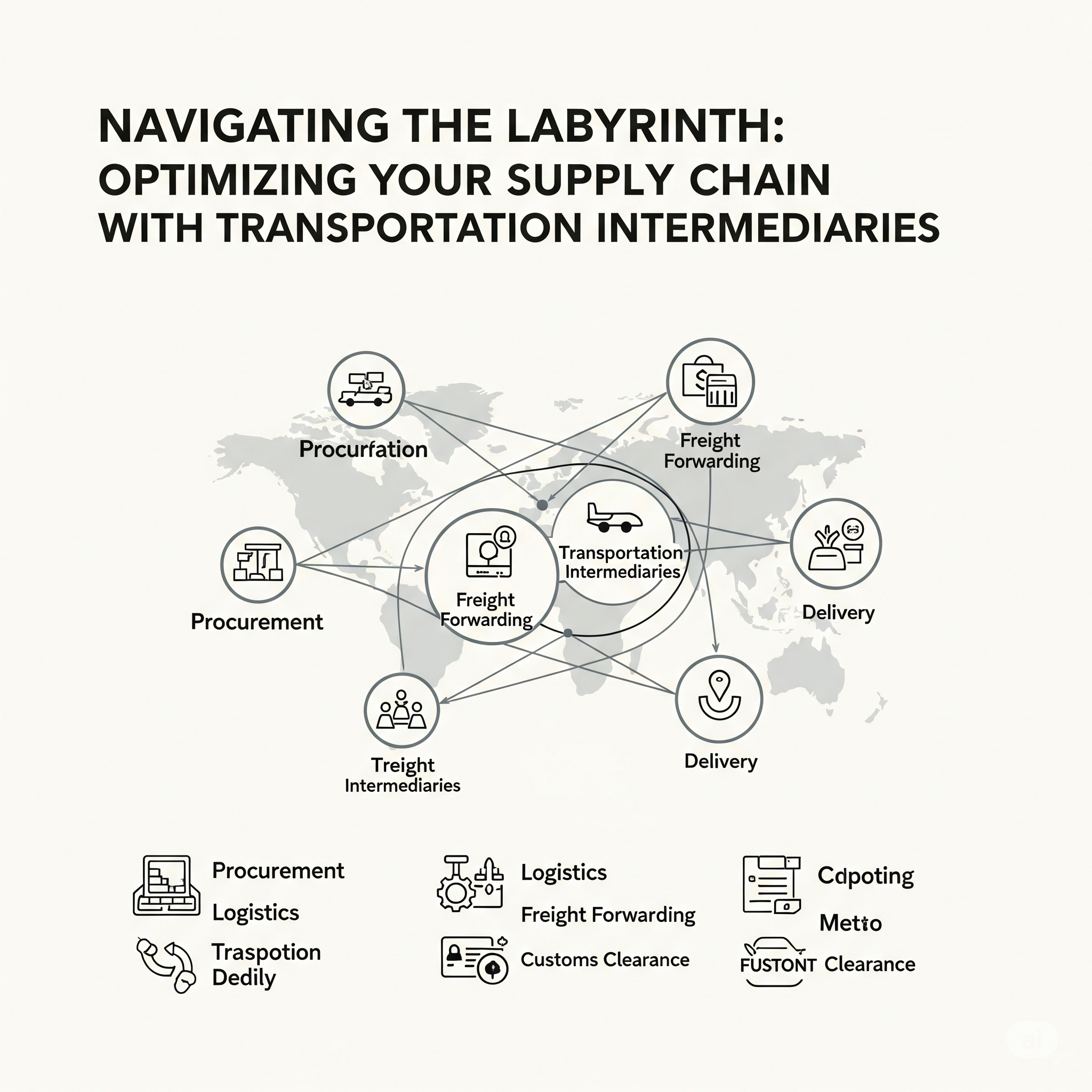
In today’s complex and dynamic global marketplace, efficient and cost-effective supply chain management is critical for business success. One key element in achieving this efficiency is understanding and leveraging the role of transportation intermediaries. These professionals act as vital links between shippers and carriers, streamlining the freight transportation process.
Understanding the Role of a Transportation Intermediary
A transportation intermediary, often operating under different titles, essentially facilitates the movement of goods without owning their own fleet of vehicles. Their core function is to connect shippers with appropriate carriers based on factors such as:
- Cost: Negotiating competitive rates with carriers.
- Capacity: Identifying carriers with available space and equipment.
- Service Requirements: Matching shippers with carriers that meet specific delivery timelines, temperature control needs, and handling requirements.
- Geographic Coverage: Ensuring carriers have the necessary network to cover the required routes.
Legally, in many jurisdictions, these intermediaries are required to be licensed and bonded, providing an added layer of security and assurance for shippers. This licensing process often involves demonstrating financial responsibility and a thorough understanding of transportation regulations.
Key Functions and Responsibilities
Beyond simply connecting shippers and carriers, transportation intermediaries handle a range of crucial tasks:
- Rate Negotiation: Leveraging their industry knowledge and relationships to secure the best possible rates for shippers.
- Freight Tracking and Tracing: Monitoring shipments in real-time and providing updates to shippers.
- Paperwork and Documentation: Managing all necessary paperwork, including bills of lading, freight bills, and customs documentation.
- Claims Processing: Assisting shippers with filing and processing claims for damaged or lost freight.
- Compliance: Ensuring compliance with all applicable transportation regulations, including those related to safety, hazardous materials, and insurance.
- Auditing: Reviewing freight bills for accuracy and identifying potential cost savings.
Technology and Transportation Intermediaries
Modern transportation intermediaries heavily rely on technology to optimize their operations. Transportation Management Systems (TMS) are central to their workflow. A TMS provides functionalities such as:
- Load Matching: Algorithms automatically match available freight with suitable carriers based on pre-defined criteria.
- Route Optimization: Analyzing different routes to identify the most efficient and cost-effective options.
- Real-time Tracking: Integrating with carrier systems to provide up-to-the-minute location information.
- Reporting and Analytics: Generating reports on key performance indicators (KPIs) to identify areas for improvement.
- Electronic Data Interchange (EDI): Facilitating seamless communication with shippers and carriers.
APIs (Application Programming Interfaces) play a crucial role in integrating TMS with other systems, such as accounting software and customer relationship management (CRM) platforms.
Benefits of Utilizing a Transportation Intermediary
Engaging a transportation intermediary offers several significant advantages for shippers:
- Cost Savings: Access to a wider network of carriers and expert negotiation skills often lead to lower freight rates.
- Increased Efficiency: Outsourcing transportation management frees up internal resources to focus on core business activities.
- Reduced Risk: Intermediaries handle regulatory compliance and claims processing, minimizing risk for shippers.
- Improved Service: Access to specialized equipment and expertise ensures that shipments are handled efficiently and reliably.
- Scalability: Intermediaries can easily scale transportation capacity to meet fluctuating demand.
Choosing the Right Transportation Intermediary
Selecting the right transportation intermediary is crucial for realizing the full benefits of outsourcing transportation management. Consider the following factors:
- Experience and Expertise: Look for an intermediary with a proven track record in your industry.
- Carrier Network: Ensure the intermediary has access to a diverse and reliable network of carriers.
- Technology Capabilities: Evaluate the intermediary’s technology infrastructure and its ability to provide real-time tracking and reporting.
- Customer Service: Choose an intermediary that is responsive, communicative, and dedicated to providing excellent customer service.
- Financial Stability: Verify the intermediary’s financial stability and insurance coverage.
- References: Check references from other shippers to gauge the intermediary’s performance and reliability.
In conclusion, transportation intermediaries play a vital role in optimizing supply chains and ensuring the efficient movement of goods. By understanding their functions, responsibilities, and the benefits they offer, shippers can make informed decisions about outsourcing their transportation management needs.
Learn more about efficient warehousing strategies in this related article:
Leave a Reply