
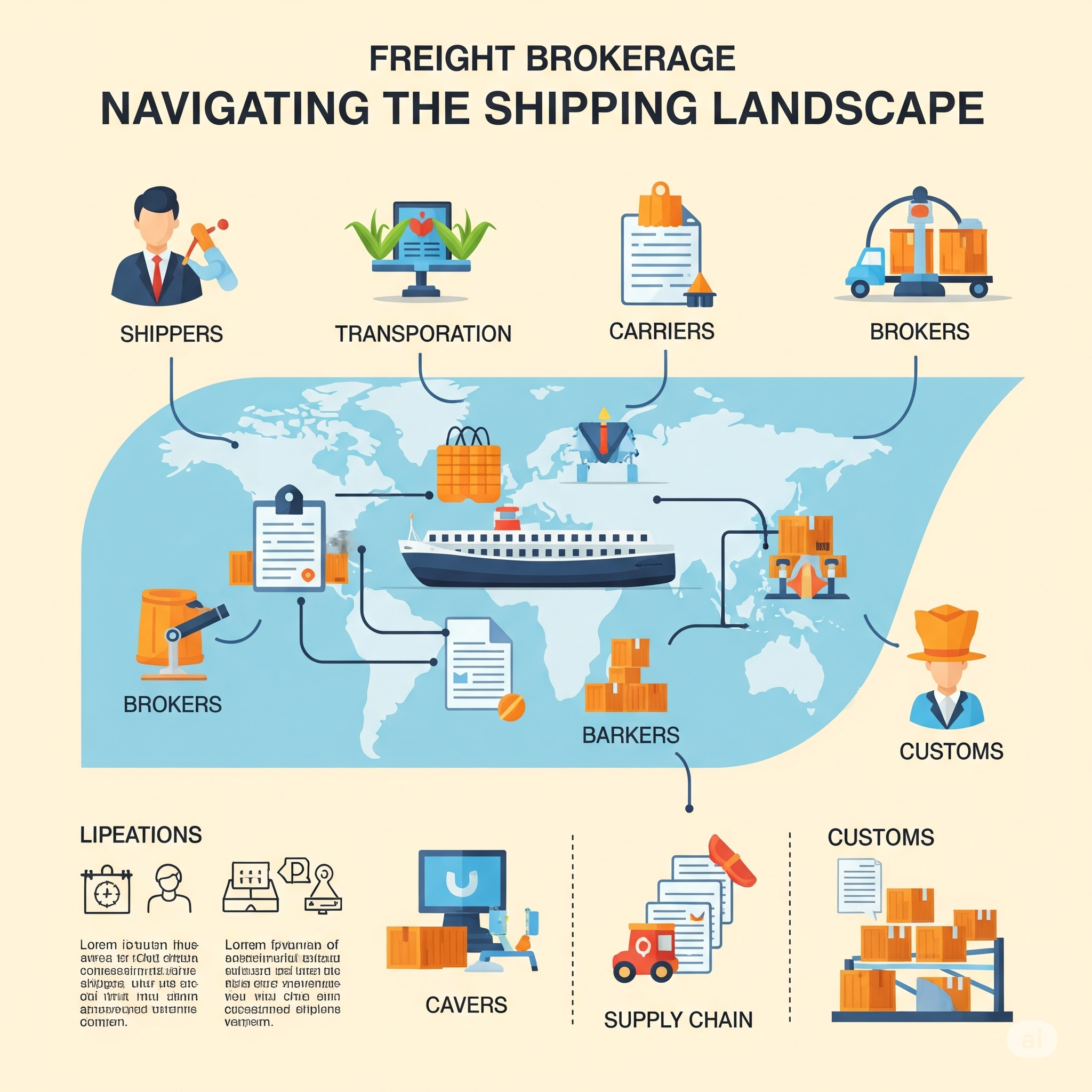
In today’s interconnected world, efficient and reliable transportation of goods is paramount. But navigating the complexities of the shipping industry can be daunting. That’s where freight brokers come in. They act as vital intermediaries, connecting shippers with the right carriers to ensure goods reach their destination safely and on time. This comprehensive guide will delve into the world of freight brokerage, exploring its benefits, processes, and key considerations for both shippers and carriers.
What is Freight Brokerage? Defining the Role
At its core, freight brokerage is the process of connecting shippers (those who need to move goods) with carriers (those who have the trucks, trains, ships, or planes to move them). A freight broker doesn’t own any transportation assets themselves. Instead, they leverage their industry knowledge, network, and technology to facilitate the shipping process. Think of them as matchmakers in the logistics world.
Here’s a more detailed breakdown of what a freight broker does:
- Matching Shippers and Carriers: The primary function is to find the best carrier for a shipper’s specific needs, considering factors like cargo type, destination, delivery timeline, and budget.
- Negotiating Rates: Brokers negotiate rates between shippers and carriers, aiming to secure competitive pricing for the shipper while ensuring fair compensation for the carrier.
- Handling Logistics: This includes coordinating pickup and delivery schedules, tracking shipments, and managing paperwork.
- Ensuring Compliance: Brokers ensure that all shipments comply with relevant regulations, including safety standards, insurance requirements, and legal guidelines.
- Providing Customer Service: They act as a single point of contact for both shippers and carriers, addressing inquiries, resolving issues, and providing updates throughout the shipping process.
The Benefits of Using a Freight Broker
Engaging a freight broker offers significant advantages for both shippers and carriers. Let’s explore the key benefits for each:
For Shippers:
- Access to a Wider Network of Carriers: Brokers have established relationships with a vast network of carriers, offering access to a wider range of transportation options than a shipper might be able to access on their own.
- Cost Savings: Through negotiation and market knowledge, brokers can often secure more competitive shipping rates than shippers could obtain directly.
- Time Savings: Brokers handle the time-consuming tasks of finding carriers, negotiating rates, and coordinating logistics, freeing up shippers to focus on their core business.
- Expertise and Market Knowledge: Brokers possess in-depth knowledge of the shipping industry, including current market trends, regulations, and best practices.
- Reduced Risk: Brokers ensure that carriers are properly licensed and insured, mitigating the risk of cargo loss or damage.
- Improved Efficiency: By streamlining the shipping process, brokers can help shippers improve efficiency and optimize their supply chain.
- Scalability: Brokers can easily handle fluctuating shipping volumes, providing the flexibility to scale operations up or down as needed.
For Carriers:
- Access to More Loads: Brokers provide carriers with access to a steady stream of available loads, helping them keep their trucks full and maximize revenue.
- Reduced Deadhead Miles: By finding loads that match their location and destination, brokers can help carriers reduce deadhead miles (empty miles), improving fuel efficiency and profitability.
- Streamlined Paperwork: Brokers handle much of the paperwork associated with shipping, freeing up carriers to focus on driving.
- Faster Payment: Many brokers offer quick payment options, ensuring that carriers get paid promptly for their services.
- Negotiation Support: Brokers can help carriers negotiate fair rates with shippers, ensuring they are adequately compensated for their work.
How Freight Brokerage Works: A Step-by-Step Process
The freight brokerage process typically involves the following steps:
- Shipper Contacts Broker: The shipper contacts the freight broker with details about their shipment, including the origin, destination, cargo type, weight, dimensions, and desired delivery date.
- Broker Finds a Carrier: The broker uses their network and technology to identify a suitable carrier that meets the shipper’s requirements. This involves considering factors like availability, equipment type, and pricing.
- Rate Negotiation: The broker negotiates rates with the carrier on behalf of the shipper, aiming to secure the best possible price.
- Load Confirmation: Once a rate is agreed upon, the broker confirms the load with the carrier and provides them with all the necessary information, including pickup and delivery instructions.
- Shipment Tracking: The broker tracks the shipment throughout its journey, providing updates to the shipper and carrier as needed.
- Delivery and Proof of Delivery (POD): Upon delivery, the carrier obtains proof of delivery from the recipient.
- Payment: The shipper pays the broker, and the broker pays the carrier (minus their commission).
Choosing the Right Freight Broker: Key Considerations
Selecting the right freight broker is crucial for a successful shipping experience. Here are some key factors to consider:
- Experience and Reputation: Look for a broker with a proven track record and a good reputation in the industry. Check online reviews and ask for references.
- Network and Capacity: Ensure the broker has a strong network of carriers and the capacity to handle your shipping needs, especially during peak seasons.
- Technology and Communication: Choose a broker that utilizes technology to streamline the shipping process and provides clear and timely communication.
- Expertise in Your Industry: If you ship specialized cargo, such as hazardous materials or temperature-sensitive goods, look for a broker with expertise in that area.
- Insurance and Compliance: Verify that the broker is properly licensed and insured, and that they comply with all relevant regulations.
- Customer Service: Choose a broker that provides excellent customer service and is responsive to your needs.
- Pricing Transparency: Ensure the broker provides transparent pricing and clearly explains all fees and charges.
The Role of Technology in Freight Brokerage
Technology plays a vital role in modern freight brokerage. Transportation Management Systems (TMS) are essential tools that help brokers manage their operations, track shipments, and communicate with shippers and carriers. Other important technologies include:
- Load Boards: Online platforms where brokers can post available loads and carriers can find loads that match their needs.
- Real-Time Tracking Systems: GPS-based tracking systems that provide real-time visibility into the location of shipments.
- Data Analytics: Tools that help brokers analyze market trends, optimize pricing, and improve efficiency.
- Communication Platforms: Mobile apps and online portals that facilitate communication between brokers, shippers, and carriers.
The Future of Freight Brokerage
The freight brokerage industry is constantly evolving, driven by technological advancements and changing market dynamics. Some key trends shaping the future of freight brokerage include:
- Increased Automation: Automation is streamlining many aspects of the brokerage process, from load matching to payment processing.
- Data-Driven Decision Making: Brokers are increasingly relying on data analytics to make informed decisions about pricing, capacity, and routing.
- Focus on Customer Experience: Brokers are investing in technology and processes to improve the customer experience and build stronger relationships with shippers and carriers.
- Sustainability: There’s a growing emphasis on sustainable transportation practices, and brokers are playing a role in helping shippers reduce their carbon footprint.
- Rise of Digital Freight Brokers: Digital freight brokers are leveraging technology to offer a more streamlined and efficient brokerage experience.
Conclusion: Leveraging Freight Brokerage for Supply Chain Success
Freight brokerage is an essential component of the modern supply chain. By connecting shippers with the right carriers and managing the complexities of transportation, freight brokers play a crucial role in ensuring that goods reach their destination safely, efficiently, and cost-effectively. Whether you’re a shipper looking to optimize your shipping operations or a carrier seeking access to more loads, understanding the benefits and processes of freight brokerage is key to achieving success in today’s competitive market.
By carefully selecting the right freight broker and leveraging technology, businesses can streamline their shipping processes, reduce costs, and improve overall supply chain performance.
Want to learn more about optimizing your shipping strategy? Check out our article on [RelatedPostLink]
“`
Leave a Reply